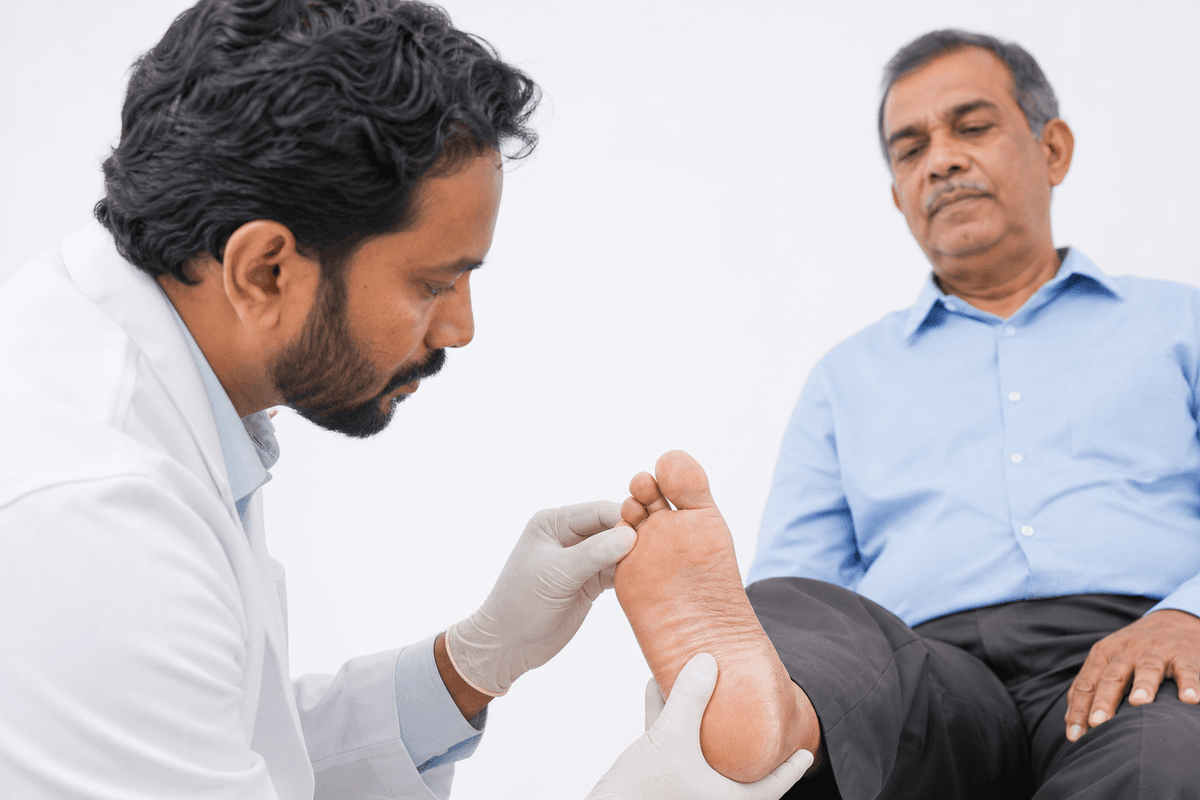
Performed by Dr. P. Prakash at Dr P Prakash
Diabetic Foot Management in Hyderabad addresses the complex complications arising from diabetes-related foot problems, including ulcers, infections, and vascular issues. This specialized treatment combines wound care, surgical debridement, infection control, and reconstructive procedures to preserve limb function and prevent amputation. Dr P Prakash provides comprehensive diabetic foot care using evidence-based protocols.
We believe in honest, upfront disclosure so you can make an informed decision.
A step-by-step look at what happens during this procedure.
Comprehensive evaluation of wound severity, depth, infection status, vascular supply, and neurological function through physical examination and diagnostic imaging including X-rays, Doppler studies, and MRI when indicated.
Aggressive management of infection through appropriate antibiotic therapy based on culture results, surgical debridement of infected and necrotic tissue, and drainage of abscesses to control bacterial load and prevent sepsis.
Surgical removal of dead, damaged, or infected tissue to expose healthy tissue underneath, promote healing, reduce bacterial burden, and prepare the wound bed for reconstruction or closure.
Assessment and improvement of blood flow through collaboration with vascular surgeons when needed for revascularization procedures, ensuring adequate tissue perfusion for wound healing and tissue survival.
Advanced plastic surgery techniques including skin grafts, local flaps, or free tissue transfer to achieve wound closure, restore soft tissue coverage, and prevent recurrence while maintaining foot function.
A structured, patient-first approach from first consultation to full recovery.
Dr P Prakash conducts thorough assessment combining plastic surgery expertise with endocrinology, vascular surgery, and podiatry consultations to develop comprehensive treatment plans addressing all aspects of diabetic foot complications.
Utilizing microsurgical skills and reconstructive procedures, Dr P Prakash performs precise debridement, tissue reconstruction, and limb salvage operations tailored to each patient's specific wound characteristics and functional requirements.
Dr P Prakash coordinates with endocrinologists to achieve optimal blood sugar control while implementing advanced wound care protocols including negative pressure therapy, bioengineered skin substitutes, and growth factor applications.
Dr P Prakash establishes comprehensive follow-up protocols including regular foot examinations, custom orthotics, patient education on foot care, and early intervention systems to prevent recurrence and maintain limb health.
What to expect at each stage of your recovery journey.
First 1-2 weeks focus on wound care, pain management, infection monitoring, and strict non-weight bearing or protected weight bearing with specialized footwear. Frequent dressing changes and close monitoring for signs of infection or healing complications are essential.
Weeks 2-8 involve progressive wound healing with continued dressing changes, gradual increase in activity as tolerated, physical therapy for mobility, and ongoing assessment of tissue viability. Blood sugar control remains critical throughout this phase.
Weeks 8-12 and beyond emphasize complete wound closure, restoration of function, custom orthotic fitting, patient education on foot protection, establishment of regular monitoring schedules, and implementation of preventive strategies to avoid recurrence.
Successful avoidance of major amputation through aggressive wound management and reconstructive surgery, preserving mobility, independence, and quality of life for diabetic patients with severe foot complications.
Achievement of full wound closure with healthy granulation tissue, restored skin integrity, and resolution of infection, enabling return to protected weight-bearing and normal daily activities.
Recovery of foot function, improved mobility, and ability to wear appropriate footwear, with correction of deformities and pressure points that contributed to initial wound development.
Establishment of long-term management strategies including proper footwear, regular monitoring, patient education, and early intervention protocols that significantly reduce the risk of future diabetic foot complications.
Let's clear up some of the most common myths about diabetic foot management.
Get a personalised assessment from an experienced specialist. Understand your options, ask your questions, and decide with confidence.