Treated by Dr. P. Prakash at Dr P Prakash
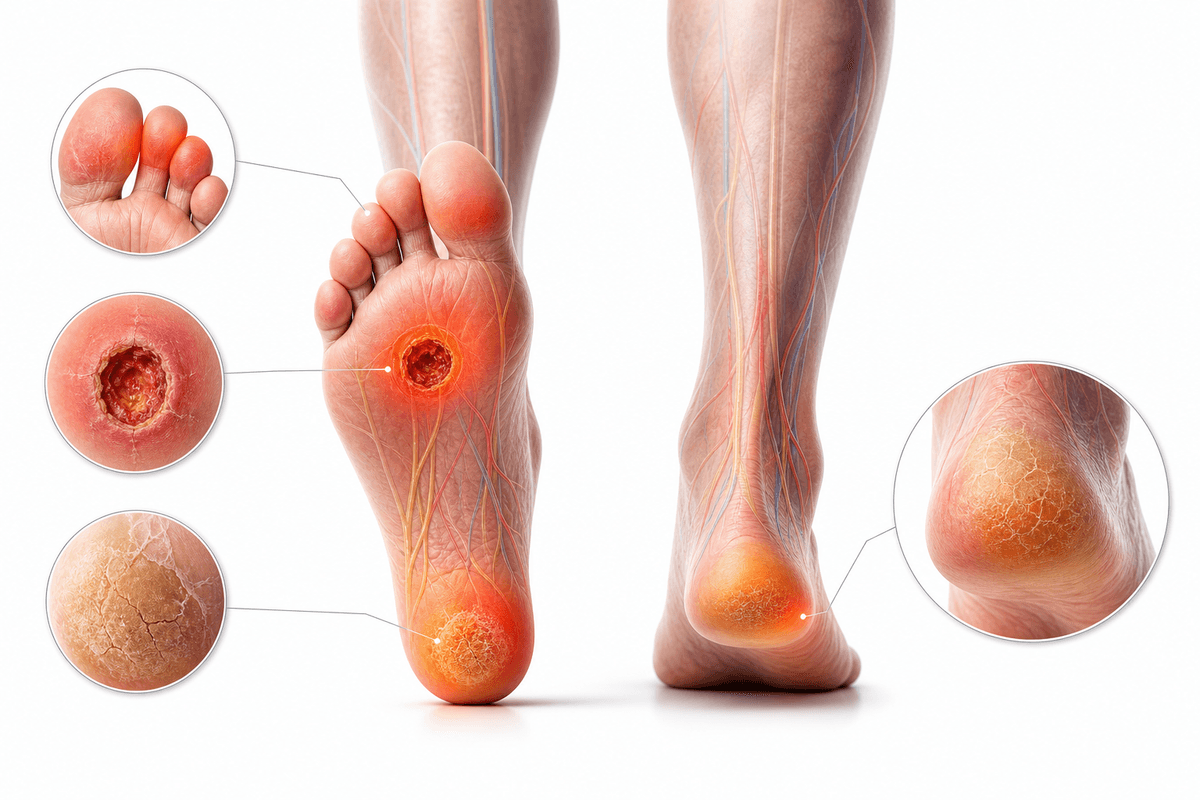
Diabetic Foot Problems in Hyderabad are a serious complication affecting individuals with diabetes, characterized by ulcers, infections, and structural deformities caused by nerve damage and poor circulation. These conditions can lead to significant morbidity if not properly managed with timely intervention. Dr P. Prakash specializes in comprehensive diabetic foot management using advanced plastic surgery techniques.
Open sores or wounds that develop on the feet of diabetic patients, typically on pressure points or areas of repetitive trauma, often complicated by poor healing due to compromised blood flow and neuropathy
A progressive degenerative condition affecting bones, joints, and soft tissues of the foot resulting from peripheral neuropathy, causing foot deformities, fractures, and dislocations that alter the normal architecture
Bacterial infections ranging from superficial cellulitis to deep tissue abscesses and osteomyelitis, often originating from ulcers and requiring aggressive medical and surgical management to prevent amputation
Multiple factors can contribute to the development and progression of this condition.
Diabetic Foot Problems develops gradually. Recognising symptoms early gives you more treatment options.
From conservative to surgical — we always start with the least invasive option first.
A structured, patient-first approach from first visit to full recovery.
Dr P. Prakash conducts thorough evaluation including vascular assessment, neurological examination, wound culture, and imaging studies to determine extent of tissue damage and infection
Dr P. Prakash collaborates with endocrinologists, vascular surgeons, and podiatrists to optimize glycemic control, improve blood flow, and develop individualized treatment strategies
Dr P. Prakash performs precise debridement, infection control procedures, and advanced reconstructive techniques using flaps and grafts to achieve wound closure and preserve limb function
Dr P. Prakash provides ongoing monitoring, preventive foot care education, custom orthotic recommendations, and surveillance for recurrence to ensure optimal long-term outcomes
What to expect at each phase of recovery.
Strict non-weight bearing with limb elevation, wound monitoring for signs of infection, dressing changes, pain management, and initiation of antibiotic therapy as needed
Gradual wound healing with progressive weight bearing using protective devices, continued wound care, physical therapy for gait training, and regular follow-up visits to monitor healing progress
Return to normal ambulation with custom orthotic devices, diabetic shoe wear, ongoing foot care education, regular foot examinations, and maintenance of optimal glycemic control
Complete wound healing with durable soft tissue coverage, elimination of infection, and restoration of protective skin barrier to prevent recurrent ulceration
Successful limb salvage avoiding major amputation while maintaining functional foot structure for weight bearing and ambulation with appropriate footwear
Return to independent ambulation with improved quality of life, ability to perform daily activities, and reduced pain through proper foot biomechanics
Long-term ulcer-free status through patient education, appropriate footwear, regular monitoring, and management of underlying diabetic complications
Untreated diabetic foot problems lead to progressive tissue destruction, deep infections including osteomyelitis, and gangrene requiring major amputation. The mortality rate following major lower extremity amputation in diabetic patients is significant, with reduced quality of life and increased healthcare costs. Early intervention is critical to prevent irreversible complications and preserve limb function.
Seek immediate medical attention if you develop any non-healing wound on your foot lasting more than a week, notice signs of infection such as redness, warmth, swelling, drainage, or fever, or experience sudden color changes indicating compromised blood flow. Diabetic patients should have regular foot examinations and consult Dr P. Prakash at the first sign of foot problems to prevent serious complications.
Early treatment means more options and better outcomes. Book a consultation to understand your condition and explore the right path forward.