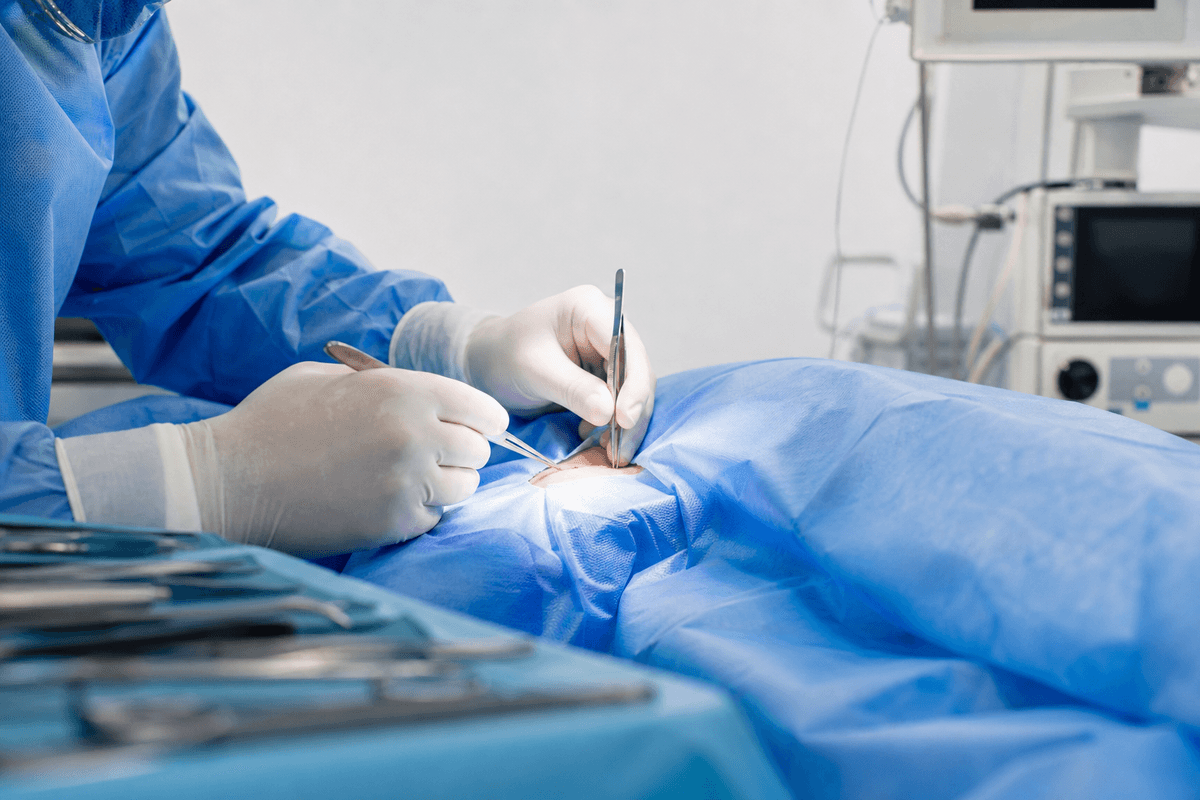
Performed by Dr. P. Prakash at Dr P Prakash
Pediatric Plastic Surgery in Hyderabad addresses congenital deformities, traumatic injuries, and reconstructive needs in children from infancy through adolescence. This specialized field combines aesthetic principles with functional restoration to ensure optimal growth and development. Dr P Prakash provides comprehensive pediatric plastic surgery services with a child-centered approach, ensuring the best outcomes for young patients and their families.
We believe in honest, upfront disclosure so you can make an informed decision.
A step-by-step look at what happens during this procedure.
Comprehensive evaluation of the child's condition, medical history, growth patterns, and family concerns. Detailed examination and discussion of treatment options, timing, and expected outcomes with parents.
Advanced imaging studies, photographs, and measurements are obtained to plan the surgical approach. Multidisciplinary team consultation may be arranged for complex cases involving multiple specialties.
Customized surgical strategy is developed based on the child's age, condition severity, and growth potential. Techniques are selected to minimize scarring and optimize functional and aesthetic results.
The operation is performed under general anesthesia using microsurgical techniques, tissue rearrangement, or grafting as needed. Special attention is given to preserving growth centers and minimizing trauma to developing tissues.
Close monitoring in recovery with pain management and wound care protocols. Follow-up appointments are scheduled to assess healing, remove sutures, and plan any additional stages if required.
A structured, patient-first approach from first consultation to full recovery.
Dr P Prakash conducts a thorough evaluation considering the child's developmental stage, growth potential, and family dynamics. He uses child-friendly communication and creates a comfortable environment for both the child and parents.
Employing state-of-the-art microsurgical methods and tissue engineering principles, Dr P Prakash ensures minimal invasiveness and optimal cosmetic results. He tailors each procedure to the individual child's anatomy and condition.
Collaboration with pediatricians, anesthesiologists, speech therapists, and other specialists ensures holistic care. Dr P Prakash coordinates multidisciplinary treatment plans for complex conditions requiring staged procedures.
Dr P Prakash provides continued monitoring through childhood and adolescence to assess growth, function, and aesthetic outcomes. Revision procedures or adjustments are planned as the child develops to ensure the best long-term results.
What to expect at each stage of your recovery journey.
First 24-48 hours involve hospitalization with pain management, wound monitoring, and initiation of feeding protocols. Parents are educated on caring for surgical sites and recognizing warning signs of complications.
First 2-3 weeks involve rest at home with gradual increase in activities. Wound care continues with dressing changes, and medications are adjusted. Follow-up visits ensure proper healing and address any concerns.
Weeks 3-12 show continued improvement with scar maturation and functional gains. Physical therapy or speech therapy may be initiated for certain conditions. The child gradually returns to full activities with ongoing monitoring.
Restoration of normal anatomical function such as breathing, feeding, speaking, or hand use. Children achieve developmental milestones appropriate for their age with reduced limitations from their original condition.
Significant improvement in facial symmetry, body contour, or visible deformities leading to better social integration. Surgical techniques minimize scarring and achieve natural-looking results that grow with the child.
Reduced social stigma and improved self-esteem as children develop without visible differences. Early intervention prevents psychological trauma associated with congenital or acquired deformities during critical developmental years.
Properly timed surgery allows for normal growth patterns and development of treated structures. Strategic planning ensures that surgical corrections accommodate ongoing skeletal and soft tissue maturation through adolescence.
Let's clear up some of the most common myths about pediatric plastic surgery.
Get a personalised assessment from an experienced specialist. Understand your options, ask your questions, and decide with confidence.