Treated by Dr. P. Prakash at Dr P Prakash
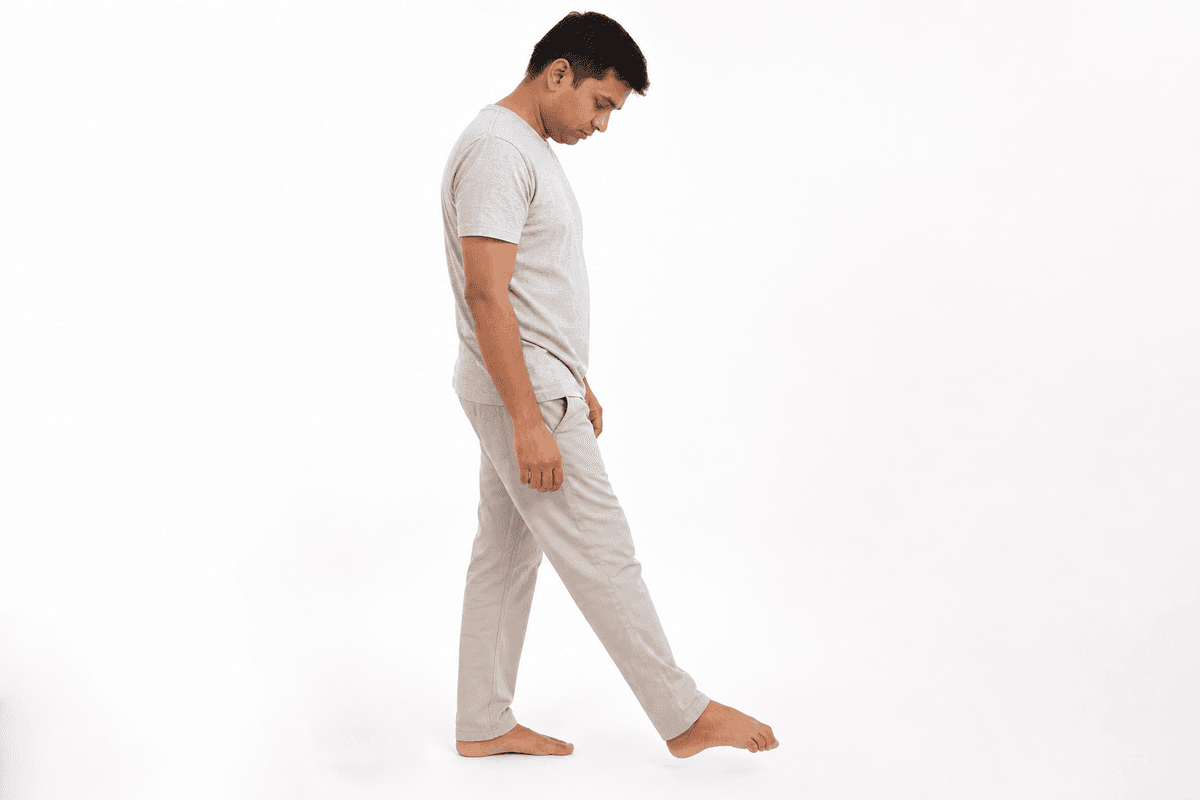
Foot drop is a neuromuscular condition affecting patients in Hyderabad, characterized by difficulty lifting the front part of the foot, leading to dragging or slapping gait patterns. This condition results from nerve damage, muscle weakness, or anatomical abnormalities affecting the peroneal nerve or muscles controlling foot dorsiflexion. Dr P Prakash provides comprehensive evaluation and advanced surgical solutions for foot drop at his clinic in Hyderabad.
Caused by damage to the peroneal nerve from injury, compression, or neurological disease. Most common type resulting from direct nerve trauma or prolonged pressure on the nerve as it wraps around the fibular head.
Results from weakness or deterioration of the tibialis anterior and other dorsiflexor muscles. Often associated with muscular dystrophy, myopathy, or progressive muscle atrophy affecting lower leg function.
Develops from structural abnormalities, tendon ruptures, or compartment syndrome affecting foot mechanics. May occur following trauma, severe ankle injuries, or congenital malformations requiring surgical correction.
Multiple factors can contribute to the development and progression of this condition.
Foot Drop develops gradually. Recognising symptoms early gives you more treatment options.
From conservative to surgical — we always start with the least invasive option first.
A structured, patient-first approach from first visit to full recovery.
Dr P Prakash conducts detailed neurological examination, gait analysis, and orders electromyography (EMG) and nerve conduction studies to pinpoint the exact cause and location of nerve or muscle dysfunction affecting foot drop.
Based on diagnostic findings, duration of symptoms, and patient goals, Dr P Prakash develops an individualized treatment strategy ranging from conservative bracing and therapy to advanced surgical nerve repair or tendon transfer procedures.
When surgery is indicated, Dr P Prakash utilizes microsurgical techniques for nerve decompression or performs meticulous tendon transfer procedures, ensuring optimal anatomical reconstruction and functional restoration with minimal tissue trauma.
Dr P Prakash coordinates comprehensive post-treatment rehabilitation including physical therapy, progressive strengthening exercises, and gait retraining, with regular follow-up assessments to monitor recovery and adjust treatment as needed.
What to expect at each phase of recovery.
Immobilization in cast or boot to protect surgical repair, with gradual transition to protected weight-bearing. Wound healing monitored closely with suture removal at 2 weeks. Passive range of motion exercises initiated under therapist guidance.
Progressive weight-bearing and active muscle strengthening exercises begin. AFO may be used during walking for additional support. Gait training focuses on proper foot placement and reducing compensatory movements. Nerve regeneration monitored through clinical examination.
Advanced strengthening and proprioceptive exercises to restore normal walking patterns. Gradual weaning from AFO as muscle strength improves. Return to regular activities with continued exercises. Maximum functional recovery typically achieved by 6-12 months depending on procedure type.
Significant improvement or complete restoration of ability to lift the foot upward, eliminating dragging and enabling normal heel-to-toe gait pattern without assistive devices.
Enhanced walking ability with reduced fall risk, increased walking speed, and improved confidence in daily activities. Patients report greater independence in work, recreational, and social situations.
After successful surgical reconstruction, many patients achieve sufficient function to discontinue or minimize AFO usage, with only occasional bracing needed for high-impact activities or long distances.
Treatment halts progression of muscle atrophy, prevents joint contractures, reduces chronic ankle instability, and eliminates compensatory hip and knee problems that develop from abnormal gait mechanics.
Untreated foot drop leads to progressive muscle atrophy in the anterior compartment, permanent nerve damage, and development of fixed ankle contractures. Chronic abnormal gait patterns cause secondary complications including knee pain, hip dysfunction, lower back problems, and significantly increased fall risk with potential for serious injuries. Quality of life deteriorates as mobility limitations restrict independence and daily activities.
Seek immediate consultation with Dr P Prakash if you experience sudden inability to lift your foot, progressive weakness in foot or ankle movements, or frequent tripping and falling. Early evaluation is critical as nerve damage becomes increasingly difficult to reverse after 12-18 months, and timely intervention significantly improves outcomes. Prompt treatment prevents permanent disability and optimizes chances for complete functional recovery.
Early treatment means more options and better outcomes. Book a consultation to understand your condition and explore the right path forward.