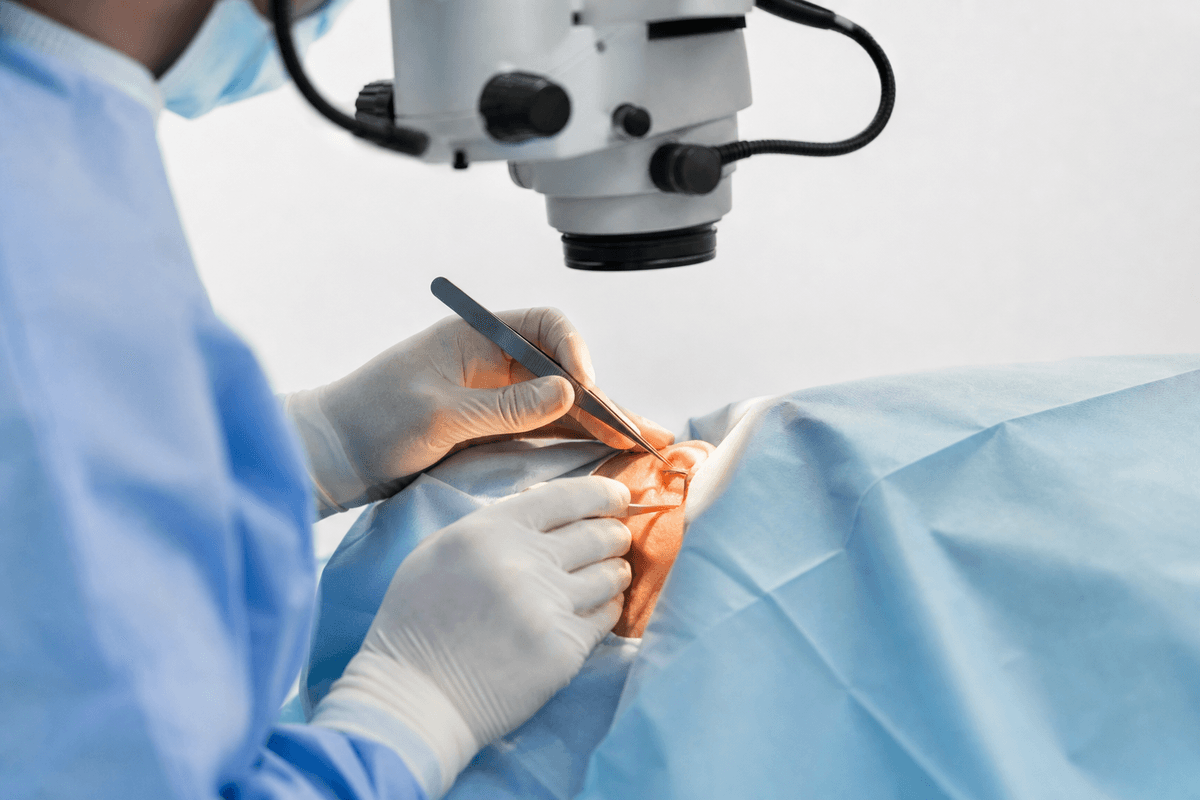
Performed by Dr. P. Prakash at Dr P Prakash
Vascular Malformation Surgery in Hyderabad addresses abnormal formations of blood vessels, veins, arteries, or lymphatic channels that can occur anywhere in the body. This specialized plastic surgery procedure removes or corrects these malformations to improve function, appearance, and prevent complications. Dr P. Prakash provides expert surgical management using the latest techniques for optimal patient outcomes.
We believe in honest, upfront disclosure so you can make an informed decision.
A step-by-step look at what happens during this procedure.
Detailed imaging studies including MRI, CT scans, or angiography are performed to map the exact location, size, and blood flow patterns of the vascular malformation. This helps plan the surgical approach and identify feeding vessels.
General anaesthesia is administered to ensure patient comfort throughout the procedure. Vital signs are continuously monitored by the anaesthesia team to maintain optimal safety parameters.
The surgeon makes precise incisions to access the malformation, carefully dissecting surrounding healthy tissues. The abnormal blood vessels are identified, isolated, and surgically removed or ligated to stop abnormal blood flow.
Meticulous hemostasis is achieved to control bleeding from feeding vessels. If necessary, tissue reconstruction is performed using grafts or flaps to restore normal anatomy and appearance of the affected area.
The surgical site is carefully closed in layers using absorbable sutures to minimize scarring. Drains may be placed temporarily to prevent fluid accumulation, and sterile dressings are applied to protect the wound.
A structured, patient-first approach from first consultation to full recovery.
Dr P. Prakash conducts thorough clinical examination and reviews advanced imaging to understand the malformation's extent, classify the type, and determine the most effective surgical strategy tailored to each patient's unique anatomy.
Complex cases are discussed with interventional radiologists and vascular specialists to combine embolization techniques with surgery when needed. This collaborative approach ensures comprehensive treatment and reduces surgical risks.
Using microsurgical instruments and techniques, Dr P. Prakash meticulously removes malformations while preserving surrounding healthy tissues and nerves. Special attention is given to achieving optimal functional and aesthetic outcomes with minimal scarring.
Patients receive close monitoring in the recovery unit with regular assessment of circulation, wound healing, and pain management. Follow-up imaging is scheduled to confirm complete removal and detect any early signs of recurrence.
What to expect at each stage of your recovery journey.
First 1-2 weeks involve wound care, pain management with prescribed medications, and elevation of the affected area to reduce swelling. Patients should avoid strenuous activities and follow dressing change protocols as instructed.
Weeks 3-6 allow gradual return to daily activities with continued precautions. Physical therapy may be recommended to restore function and mobility. Compression garments might be advised to support healing and reduce swelling.
Months 3-12 involve scar maturation and complete tissue healing. Regular follow-up appointments with imaging studies ensure no recurrence. Most patients achieve full functional recovery and improved quality of life during this period.
Successful surgical excision eliminates the abnormal vascular structures, resolving symptoms such as pain, bleeding, and functional limitations while preventing future complications and growth of the lesion.
Visible malformations are removed with careful attention to cosmetic outcomes, significantly improving appearance and self-confidence. Advanced closure techniques minimize scarring and restore natural contours of the affected area.
Removal of compressive or infiltrative malformations restores normal function to affected organs, muscles, or nerves. Patients experience improved mobility, reduced pain, and return to normal daily activities and quality of life.
Surgery prevents serious complications including hemorrhage, thrombosis, cardiac overload, tissue damage, and infection. Long-term monitoring ensures early detection of rare recurrences and maintains treatment success.
Let's clear up some of the most common myths about vascular malformation surgery.
Get a personalised assessment from an experienced specialist. Understand your options, ask your questions, and decide with confidence.