Performed by Dr. P. Prakash at Dr P Prakash
Lymphedema Surgery in Hyderabad provides specialized microsurgical treatment for chronic lymphatic swelling affecting the limbs. This advanced procedure involves techniques like lymphovenous anastomosis and vascularized lymph node transfer to restore lymphatic drainage and reduce persistent edema. Dr P Prakash utilizes state-of-the-art microsurgical techniques to achieve optimal functional and aesthetic outcomes for patients suffering from this debilitating condition.
We believe in honest, upfront disclosure so you can make an informed decision.
A step-by-step look at what happens during this procedure.
Advanced imaging techniques including lymphoscintigraphy and indocyanine green (ICG) lymphography are performed to map the lymphatic system and identify areas of obstruction or dysfunction.
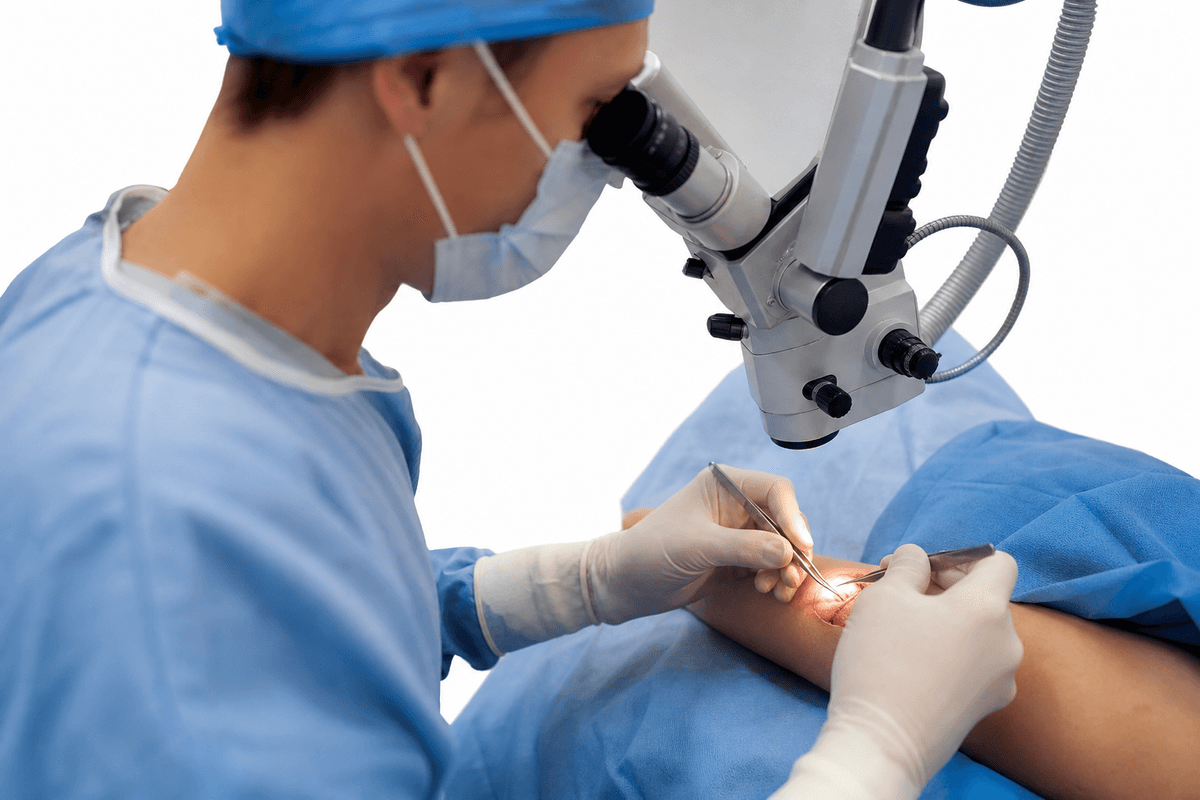
Under general anaesthesia, small incisions are made in strategic locations on the affected limb. High-powered surgical microscopes are used to visualize tiny lymphatic vessels and veins.
Functional lymphatic channels are identified and connected directly to small veins, creating bypass routes that allow accumulated lymphatic fluid to drain into the venous system.
In selected cases, healthy lymph nodes with their blood supply are harvested from donor sites and transplanted to the affected area to restore lymphatic drainage capacity.
Incisions are meticulously closed with fine sutures. Compression bandaging is applied to support the newly created pathways and minimize post-operative swelling.
A structured, patient-first approach from first consultation to full recovery.
Dr P Prakash employs cutting-edge ICG lymphography to precisely identify functional lymphatic vessels and plan the most effective surgical approach tailored to each patient's unique lymphatic anatomy.
Using ultra-high magnification and specialized instruments, Dr P Prakash performs delicate lymphovenous anastomoses on vessels smaller than 0.8mm, maximizing the number of functional connections.
Dr P Prakash offers multiple techniques including lymphovenous bypass, vascularized lymph node transfer, and combination procedures, selecting the optimal approach based on lymphedema stage and patient factors.
A multidisciplinary approach combines surgical intervention with continued compression therapy, physiotherapy, and lymphatic rehabilitation to achieve maximum limb volume reduction and functional improvement.
What to expect at each stage of your recovery journey.
The first 5 days involve hospital monitoring with limb elevation, compression bandaging, and prophylactic antibiotics. Pain is managed with medications, and gentle range-of-motion exercises begin under physiotherapy guidance.
Weeks 2-6 focus on wound healing, gradual increase in activity levels, and continued compression therapy. Patients wear compression garments daily and attend follow-up appointments to monitor progress and adjust treatment protocols.
From 6 weeks onwards, patients experience progressive reduction in limb volume and improved quality of life. Ongoing compression therapy, manual lymphatic drainage, and lifestyle modifications help maintain surgical results and prevent recurrence.
Most patients experience 30-60% reduction in excess limb volume within 6-12 months, with improved limb contour and reduced heaviness that enhances mobility and daily functioning.
Restoration of lymphatic drainage significantly reduces the frequency and severity of cellulitis and other infections that commonly affect lymphedematous limbs, improving overall health outcomes.
Patients report substantial improvements in physical function, reduced dependence on compression therapy, better self-image, and increased ability to participate in work, social activities, and exercise.
With appropriate post-operative care and lifestyle management, surgical outcomes remain stable over years, with most patients maintaining significant improvement in limb volume and symptoms.
Let's clear up some of the most common myths about lymphedema surgery.
Get a personalised assessment from an experienced specialist. Understand your options, ask your questions, and decide with confidence.