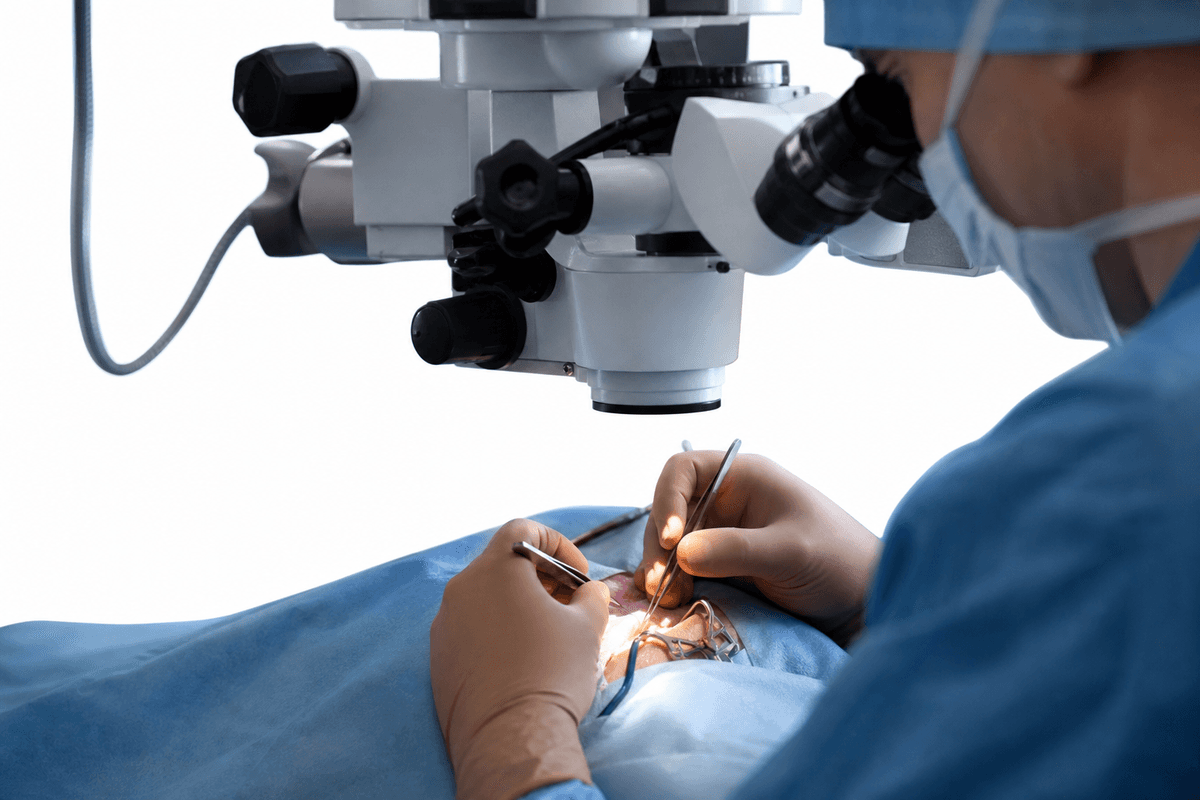
Performed by Dr. P. Prakash at Dr P Prakash
Congenital Reconstruction Surgery in Hyderabad addresses birth defects and congenital anomalies affecting various body parts through specialized surgical correction. This procedure restores both function and appearance in patients born with structural abnormalities, including craniofacial defects, limb malformations, chest wall deformities, and other congenital conditions. Dr P Prakash provides comprehensive evaluation and tailored surgical solutions using advanced plastic surgery techniques to help patients achieve improved quality of life and normal development.
We believe in honest, upfront disclosure so you can make an informed decision.
A step-by-step look at what happens during this procedure.
Comprehensive evaluation including physical examination, medical history review, and diagnostic imaging to determine the extent of the congenital defect and plan the surgical approach.
Detailed treatment plan is developed considering the patient's age, specific deformity, growth patterns, and functional requirements, often involving multidisciplinary team consultation.
Surgical correction involves reshaping, repositioning, or reconstructing affected tissues using various techniques including tissue grafts, flaps, or prosthetic materials as needed.
Procedures focus on restoring normal anatomical structure and improving function, such as breathing, feeding, mobility, or sensory capabilities depending on the affected area.
Careful wound closure using advanced suturing techniques to minimize scarring, followed by appropriate dressing application and initiation of post-operative care protocols.
A structured, patient-first approach from first consultation to full recovery.
Dr P Prakash conducts thorough evaluations with detailed discussions about treatment goals, surgical options, and realistic expectations, ensuring families understand the complete care journey.
Utilizing state-of-the-art plastic surgery methods and microsurgical approaches, Dr P Prakash performs precise reconstructions tailored to each patient's unique anatomical needs and developmental stage.
Dr P Prakash collaborates with pediatricians, geneticists, speech therapists, and other specialists to provide comprehensive care addressing all aspects of congenital conditions.
Comprehensive post-operative monitoring and staged procedures when necessary ensure optimal growth, development, and functional outcomes throughout the patient's developmental years.
What to expect at each stage of your recovery journey.
First 1-2 weeks involve hospital monitoring, pain management, wound care, and gradual mobilization. Patients may have drains, dressings, or protective devices depending on the procedure performed.
Weeks 2-8 focus on tissue healing, gradual increase in activity levels, physical therapy if needed, and regular wound monitoring. Swelling progressively decreases and function begins to improve.
Months 2-12 involve continued functional improvement, scar maturation, possible adjunctive therapies, and monitoring for growth-related changes requiring future interventions.
Successful restoration of normal or near-normal anatomical structure, significantly improving appearance and reducing the visible signs of congenital deformities.
Enhanced ability to perform daily activities with improved breathing, feeding, speech, mobility, or other functions previously affected by the congenital condition.
Improved self-esteem, social integration, and quality of life as patients achieve more typical appearance and capabilities, particularly important for developing children.
Early intervention enables more normal growth patterns and developmental milestones, preventing secondary complications and allowing better long-term outcomes.
Let's clear up some of the most common myths about congenital reconstruction surgery.
Get a personalised assessment from an experienced specialist. Understand your options, ask your questions, and decide with confidence.