Treated by Dr. P. Prakash at Dr P Prakash
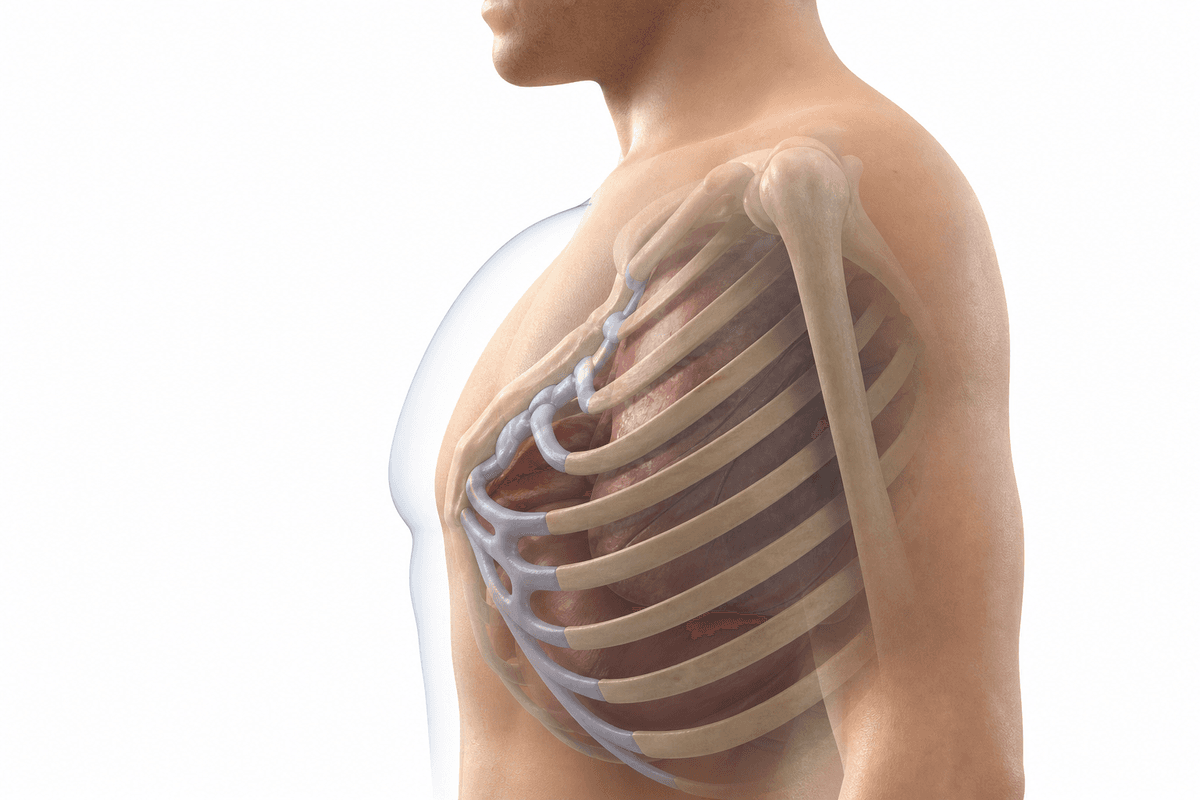
Pectus Excavatum, also known as sunken chest or funnel chest, is a congenital chest wall deformity where the breastbone appears depressed inward, commonly affecting patients in Hyderabad and worldwide. This condition can range from mild cosmetic concern to severe cases causing cardiopulmonary compression and functional impairment. Dr P. Prakash offers comprehensive evaluation and advanced surgical correction for Pectus Excavatum at his Hyderabad clinic.
The most common form where the sternum depression is centered and symmetrical, creating a uniform concave appearance of the chest wall with equal involvement on both sides.
A variant where the sternal depression is offset to one side, often more pronounced on the right, creating an uneven chest wall contour with possible rotation of the sternum.
A combination pattern where Pectus Excavatum occurs alongside other chest wall abnormalities such as Pectus Carinatum features, creating complex three-dimensional deformities requiring customized surgical approaches.
Multiple factors can contribute to the development and progression of this condition.
Pectus Excavatum develops gradually. Recognising symptoms early gives you more treatment options.
From conservative to surgical — we always start with the least invasive option first.
A structured, patient-first approach from first visit to full recovery.
Dr P. Prakash conducts thorough physical examination measuring chest wall dimensions, assessing severity using Haller index, evaluating symmetry, and reviewing medical history including cardiopulmonary symptoms and family history of chest wall deformities.
Detailed CT scan imaging is performed to calculate precise Haller index, assess cardiac and lung compression, evaluate three-dimensional chest wall anatomy, and create surgical planning templates for optimal bar placement or cartilage resection strategy.
Dr P. Prakash develops individualized treatment strategy based on patient age, deformity severity, cardiopulmonary impact, aesthetic concerns, and patient preferences, selecting between conservative management, Nuss procedure, or modified Ravitch approach with detailed explanation of expected outcomes.
Expert surgical correction is performed using state-of-the-art techniques with precise bar placement or cartilage resection, followed by structured postoperative care including pain management, breathing exercises, activity modification guidance, and regular monitoring until complete recovery and bar removal when applicable.
What to expect at each phase of recovery.
Hospital stay of 3-5 days with pain management, chest physiotherapy, and breathing exercises. Patients experience chest tightness and discomfort managed with medications. Light walking encouraged while avoiding strenuous activities and heavy lifting.
Gradual return to daily activities with continued activity restrictions. Pain diminishes progressively as chest wall adapts to new position. Physical therapy focuses on posture correction and gentle stretching. Return to school or work typically by 4-6 weeks with modifications.
Progressive resumption of physical activities and exercise with medical clearance. Full contact sports restricted for 6-12 months post-surgery. Regular follow-up appointments to monitor bar position or healing. Most patients achieve normal activity levels by 6 months with excellent cosmetic results.
Dramatic correction of sunken chest appearance with normal or near-normal chest wall contour, enhanced body image, and improved self-confidence reported by over 95% of patients following surgical correction.
Measurable improvement in cardiac output, lung capacity, and exercise tolerance with relief from compression symptoms, allowing patients to engage in physical activities without previous limitations or breathing difficulties.
Substantial psychological benefits including reduced social anxiety, increased participation in sports and recreational activities, improved posture, and enhanced overall life satisfaction documented in long-term follow-up studies.
Permanent correction maintenance with minimal recurrence rates when surgery performed at appropriate age with proper technique, demonstrating stable results decades after bar removal or open repair completion.
Untreated Pectus Excavatum can lead to progressive cardiopulmonary compromise with reduced cardiac output, decreased lung capacity, and exercise intolerance affecting quality of life. Severe cases may cause chronic chest pain, recurrent respiratory infections, cardiac arrhythmias, and mitral valve prolapse. Beyond physical complications, the psychological impact of chest wall deformity often results in significant social withdrawal, body image issues, anxiety, depression, and reduced participation in physical activities, particularly affecting adolescents and young adults.
Consultation with Dr P. Prakash is recommended if you or your child has noticeable chest wall depression, especially if accompanied by breathing difficulties, exercise intolerance, chest pain, or frequent respiratory infections. Early evaluation is particularly important during growth spurts in childhood and adolescence when intervention can be most effective. Patients experiencing psychological distress, social withdrawal, or declining quality of life due to chest appearance should also seek timely evaluation for appropriate treatment options.
Early treatment means more options and better outcomes. Book a consultation to understand your condition and explore the right path forward.