Treated by Dr. P. Prakash at Dr P Prakash
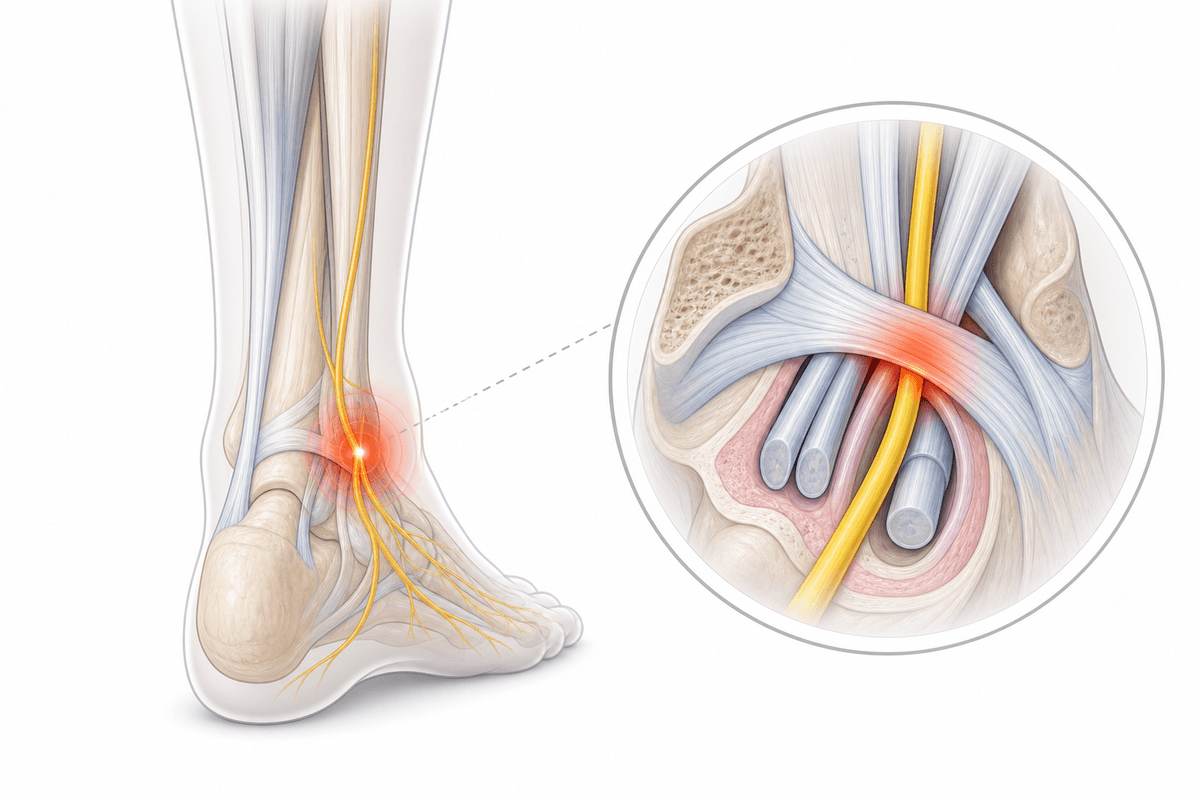
Tarsal Tunnel Syndrome in Hyderabad is a nerve compression condition affecting the posterior tibial nerve as it passes through the tarsal tunnel near the ankle. This condition causes pain, tingling, and numbness in the foot and can significantly impact mobility and quality of life. Patients experiencing these symptoms can receive specialized evaluation and treatment from Dr P Prakash, who offers comprehensive care including conservative management and advanced surgical interventions when necessary.
Occurs without any identifiable underlying cause, often due to idiopathic nerve compression within the tarsal tunnel from anatomical variations or chronic overuse of the foot and ankle.
Results from specific identifiable causes such as space-occupying lesions, ganglion cysts, lipomas, varicose veins, or bone spurs that compress the posterior tibial nerve within the tunnel.
Develops following ankle injuries, fractures, or severe sprains that cause scar tissue formation, hematoma, or structural changes leading to nerve compression within the tarsal tunnel.
Multiple factors can contribute to the development and progression of this condition.
Tarsal Tunnel Syndrome develops gradually. Recognising symptoms early gives you more treatment options.
From conservative to surgical — we always start with the least invasive option first.
A structured, patient-first approach from first visit to full recovery.
Dr P Prakash conducts a thorough history and physical examination, including Tinel's sign testing at the tarsal tunnel, sensory assessment of foot distribution, and evaluation of biomechanical factors contributing to nerve compression.
Nerve conduction studies and electromyography are ordered to confirm posterior tibial nerve compression and rule out other conditions. MRI or ultrasound imaging may be performed to identify space-occupying lesions or structural abnormalities.
Based on severity and underlying cause, Dr P Prakash develops an individualized treatment plan starting with conservative measures for early cases and progressing to surgical intervention when conservative treatment fails or symptoms are severe.
When surgery is indicated, Dr P Prakash performs meticulous tarsal tunnel release using microsurgical techniques to ensure complete decompression while minimizing complications. Comprehensive post-operative care includes rehabilitation protocols and regular monitoring to optimize recovery and outcomes.
What to expect at each phase of recovery.
The first 2-3 weeks involve wound care, elevation, and non-weight bearing or protected weight bearing with a surgical boot. Pain management and early gentle ankle movements prevent stiffness while allowing initial healing.
Weeks 3-8 focus on gradual return to weight bearing, progressive physical therapy with nerve gliding exercises, ankle strengthening, and proprioceptive training. Custom orthotics may be prescribed to support proper foot mechanics.
After 8-12 weeks, most patients can resume normal activities with continued improvement in nerve function over 6-12 months. Long-term outcomes are optimized through proper footwear, orthotics, and ongoing monitoring for recurrence.
Most patients experience significant reduction in pain, burning, and tingling sensations, with 70-90% achieving good to excellent outcomes following appropriate treatment, particularly when intervention occurs before permanent nerve damage develops.
Nerve decompression allows gradual recovery of sensory function in the foot and toes, with continued improvement over several months as the nerve regenerates and inflammation resolves completely.
Successful treatment enables patients to return to normal walking, standing, and physical activities without limitations, significantly enhancing daily function and overall quality of life.
Early intervention prevents irreversible nerve damage, muscle atrophy, and chronic pain syndromes that can occur with prolonged untreated nerve compression, ensuring optimal long-term foot health.
Untreated Tarsal Tunnel Syndrome can lead to permanent nerve damage with chronic pain, complete loss of sensation in the foot, and progressive muscle weakness and atrophy. The condition may result in difficulty walking, balance problems, and development of compensatory gait abnormalities that cause secondary joint problems. Early intervention is crucial to prevent irreversible complications and preserve nerve function.
Seek medical attention if you experience persistent tingling, burning, or numbness in your foot that does not improve with rest, especially if symptoms worsen at night or after activity. Immediate consultation with Dr P Prakash is recommended if you develop progressive weakness, severe pain interfering with daily activities, or symptoms following an ankle injury. Early diagnosis and treatment significantly improve outcomes and prevent permanent nerve damage.
Early treatment means more options and better outcomes. Book a consultation to understand your condition and explore the right path forward.