Treated by Dr. P. Prakash at Dr P Prakash
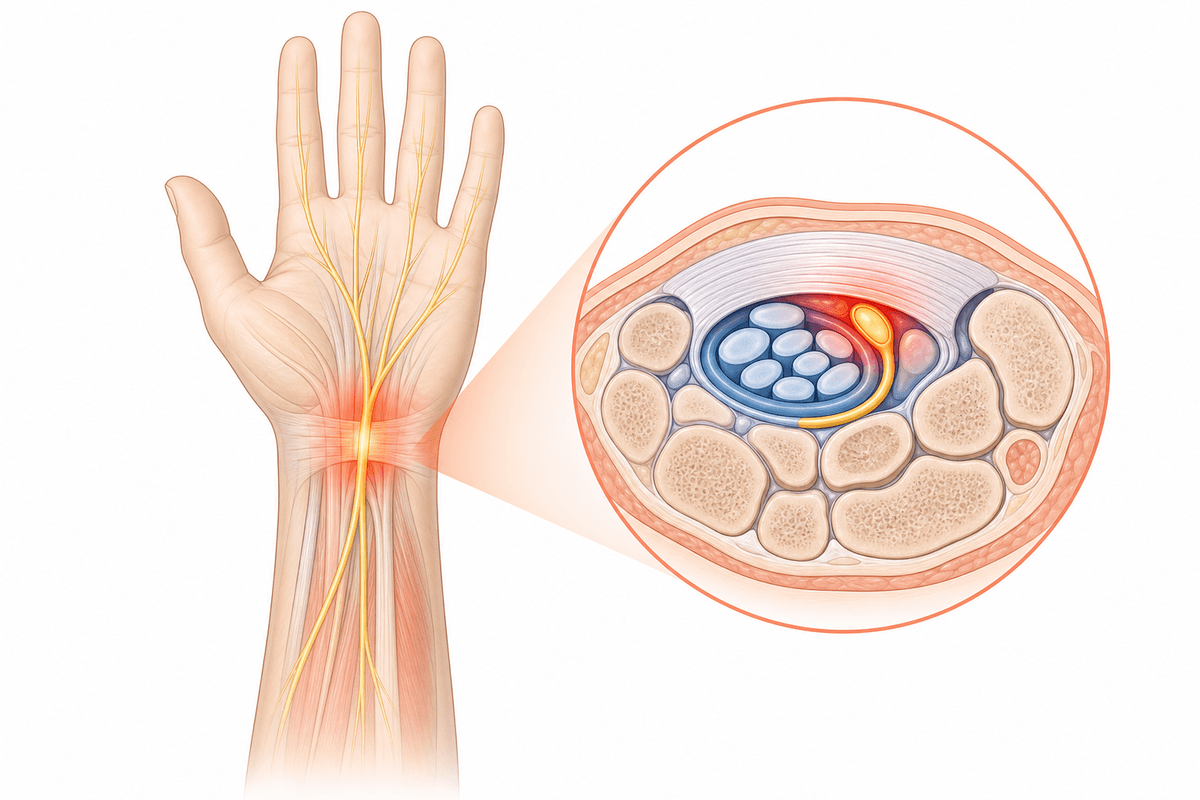
Carpal Tunnel Syndrome in Hyderabad is a common nerve compression disorder affecting the median nerve as it passes through the wrist's carpal tunnel. This condition causes numbness, tingling, and weakness in the hand, often interfering with daily activities and work performance. Dr P Prakash provides comprehensive evaluation and advanced surgical treatment options for patients experiencing carpal tunnel syndrome.
The most common form where the exact cause is unknown, typically developing gradually over time due to repetitive hand use or anatomical factors that narrow the carpal tunnel space.
Develops as a result of underlying medical conditions such as diabetes, rheumatoid arthritis, thyroid disorders, or pregnancy that cause swelling and increased pressure within the carpal tunnel.
A rare form caused by sudden trauma, fractures, or bleeding into the carpal tunnel that creates immediate severe compression of the median nerve requiring urgent surgical intervention.
Multiple factors can contribute to the development and progression of this condition.
Carpal Tunnel Syndrome develops gradually. Recognising symptoms early gives you more treatment options.
From conservative to surgical — we always start with the least invasive option first.
A structured, patient-first approach from first visit to full recovery.
Dr P Prakash conducts thorough hand and wrist examination, reviews medical history, and performs Phalen's and Tinel's tests to assess median nerve compression severity and identify underlying contributing factors.
Electrodiagnostic testing including nerve conduction studies and electromyography are arranged to objectively confirm diagnosis, measure nerve damage severity, and rule out other nerve compression sites.
Based on symptom severity, diagnostic findings, and patient lifestyle needs, Dr P Prakash develops an individualized treatment plan ranging from conservative management to surgical intervention with detailed discussion of expected outcomes.
For surgical candidates, Dr P Prakash performs carpal tunnel release using refined microsurgical techniques with meticulous attention to anatomy, followed by structured rehabilitation protocol and regular follow-up to ensure optimal recovery and nerve function restoration.
What to expect at each phase of recovery.
Hand elevation and gentle finger movements encouraged immediately after surgery. Light dressing applied with sutures removed at 10-14 days. Most patients experience immediate relief of nighttime symptoms though some numbness may persist.
Gradual return to light activities with progressive hand strengthening exercises. Scar massage initiated to promote soft tissue healing. Most daily activities can be resumed with avoiding heavy lifting or forceful gripping.
Complete return to normal activities including work and sports. Grip strength continues improving over several months. Nerve sensation recovery may take 3-6 months in advanced cases with persistent symptoms showing continued improvement up to one year.
Over 90% of patients experience complete or significant relief from numbness, tingling, and nighttime symptoms following surgical decompression with lasting results.
Grip strength and fine motor control progressively improve, allowing patients to return to work, hobbies, and daily activities without limitations within 2-3 months.
Timely surgical intervention prevents irreversible median nerve damage and permanent muscle wasting, preserving long-term hand function and sensation.
Modern surgical techniques result in small scars, low complication rates, and high patient satisfaction with most procedures performed as outpatient surgery under local anesthesia.
Untreated carpal tunnel syndrome leads to progressive and potentially permanent median nerve damage with irreversible muscle wasting at the thumb base (thenar atrophy). Patients develop chronic pain, permanent numbness, and severe weakness making simple tasks like gripping objects or buttoning clothes impossible. The window for optimal nerve recovery narrows as the condition advances, with severe long-standing compression resulting in incomplete recovery even after surgical intervention.
Seek medical evaluation if you experience persistent numbness, tingling, or pain in your hand lasting more than two weeks, particularly if symptoms disrupt sleep or interfere with daily activities. Immediate consultation with Dr P Prakash is essential if you notice weakness in grip strength, difficulty with fine motor tasks, or visible muscle wasting at the thumb base, as these indicate advanced nerve compression requiring prompt treatment to prevent permanent damage.
Early treatment means more options and better outcomes. Book a consultation to understand your condition and explore the right path forward.