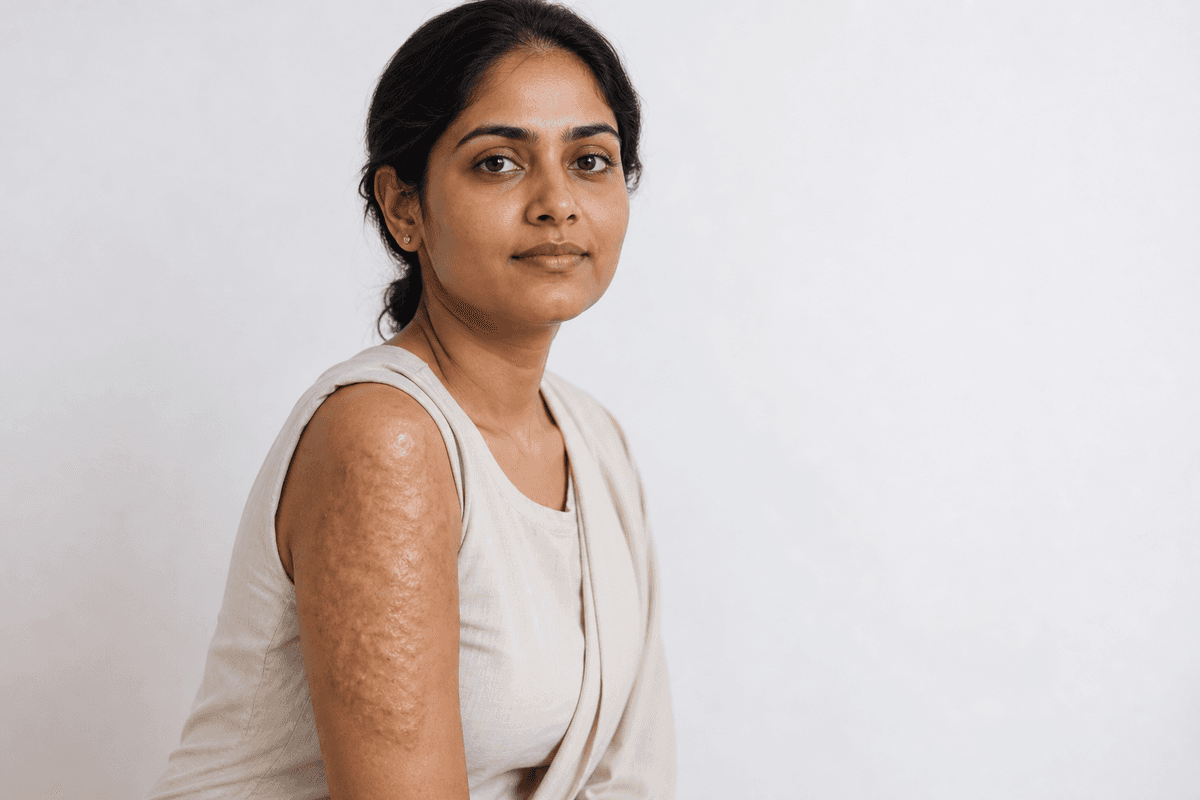
Treated by Dr. P. Prakash at Dr P Prakash
Burn injuries in Hyderabad affect thousands annually, ranging from minor first-degree burns to severe third-degree burns requiring extensive surgical intervention. These injuries damage skin and underlying tissues through heat, chemicals, electricity, or radiation, potentially causing permanent scarring and functional impairment. Dr P Prakash specializes in comprehensive burn management and reconstruction, utilizing advanced plastic surgery techniques to restore both function and appearance.
Burns caused by exposure to flames, hot liquids, steam, or hot surfaces. These are the most common type of burn injuries, accounting for the majority of cases and varying in severity from superficial to full-thickness tissue damage.
Tissue damage resulting from contact with acids, alkalis, or other corrosive substances. These burns continue to cause damage until the chemical is completely removed and neutralized, often requiring specialized treatment protocols.
Injuries caused by electrical current passing through the body, creating both entry and exit wounds. These burns often cause deeper tissue damage than visible on the surface and may affect internal organs and nerves.
Multiple factors can contribute to the development and progression of this condition.
Burn Injuries develops gradually. Recognising symptoms early gives you more treatment options.
From conservative to surgical — we always start with the least invasive option first.
A structured, patient-first approach from first visit to full recovery.
Dr P Prakash immediately assesses burn extent using the rule of nines, determines burn depth, and initiates fluid resuscitation protocols. Initial wound care includes cleaning, pain management, and application of appropriate dressings to prevent infection and further tissue damage.
A detailed treatment plan is developed based on burn severity, location, and patient factors. Dr P Prakash determines the need for surgical intervention, selects optimal grafting techniques, and establishes a timeline for staged procedures if required for extensive burns.
Dr P Prakash performs precise debridement of non-viable tissue, followed by skin grafting or flap reconstruction as needed. Advanced plastic surgery techniques ensure optimal cosmetic outcomes while prioritizing functional restoration, particularly for burns affecting hands, face, and joints.
Ongoing monitoring includes assessment of graft healing, contracture prevention, and scar maturation. Dr P Prakash coordinates pressure therapy, physiotherapy, and additional reconstructive procedures as needed to achieve the best possible long-term functional and aesthetic results.
What to expect at each phase of recovery.
Focus on wound healing, infection prevention, and pain management. Dressing changes occur regularly, and patients receive instructions on wound care. For surgical cases, graft take is monitored closely with strict immobilization of grafted areas to ensure survival.
Emphasis shifts to restoring function through physiotherapy and preventing contractures with splinting and pressure garments. Scar management begins with massage, silicone products, and compression therapy. Patients gradually return to daily activities with guidance on protecting healing tissues.
Scars continue to mature and remodel during this extended period. Additional reconstructive procedures may be performed to address persistent contractures or cosmetic concerns. Long-term scar management continues with pressure therapy, and patients achieve maximum functional recovery through ongoing rehabilitation.
Successful healing of burn wounds with healthy skin coverage, preventing infection and fluid loss. Proper wound closure is achieved through natural healing for minor burns or surgical intervention for deeper injuries, establishing a foundation for recovery.
Recovery of full or near-full range of motion and function in affected areas, particularly critical for burns involving hands, joints, and face. Early intervention and comprehensive rehabilitation prevent permanent disability and enable return to normal activities.
Optimized aesthetic outcomes with flat, soft scars that blend with surrounding skin. Advanced surgical techniques, early scar management, and appropriate use of pressure therapy significantly reduce hypertrophic scarring and keloid formation.
Patients experience enhanced physical function, reduced pain, and improved psychological well-being. Successful burn treatment and reconstruction restore confidence, enable social reintegration, and allow individuals to resume professional and personal activities without limitation.
Untreated burn injuries can lead to severe complications including life-threatening infections, sepsis, and multi-organ failure in extensive burns. Improper or delayed treatment results in hypertrophic scarring, keloid formation, and debilitating contractures that permanently restrict movement and function. Chronic wounds may develop, leading to persistent pain, recurrent infections, and significant psychological trauma affecting quality of life.
Seek immediate medical attention for all deep burns that appear white, charred, or painless, burns covering large body areas, burns on the face, hands, feet, or genitals, and any electrical or chemical burns. Additionally, consult Dr P Prakash if you have existing burn scars causing functional limitation, developing contractures restricting movement, or dissatisfaction with the appearance of healed burns. Early intervention prevents complications and optimizes outcomes.
Early treatment means more options and better outcomes. Book a consultation to understand your condition and explore the right path forward.